
UNP Informatics Lecturer, Randi Proska Sandra, Becomes a Visiting Research Fellow at Norwegian University of Science and Technology
Trondheim, Norway – Randi Proska Sandra, a lecturer from the Informatics Study Program, Universitas Negeri Padang (UNP), has completed a research stay as a visiting research fellow for approximately five months at the Norwegian University of Science and Technology (NTNU), Trondheim, Norway. He joined SFU ExcITEd (Centre for Excellent IT Education), pioneered by the Institutt for datateknologi og informatikk (Department of Computer Science), with a research focus on IT Education for Sustainability and Digital Future. Randi’s own research is related to programming education and sustainability. SFU (Sentre for fremragende utdanning) is a Centres for Excellence in Education initiative by the Norwegian government through NOKUT, with only eight such centers throughout Norway.
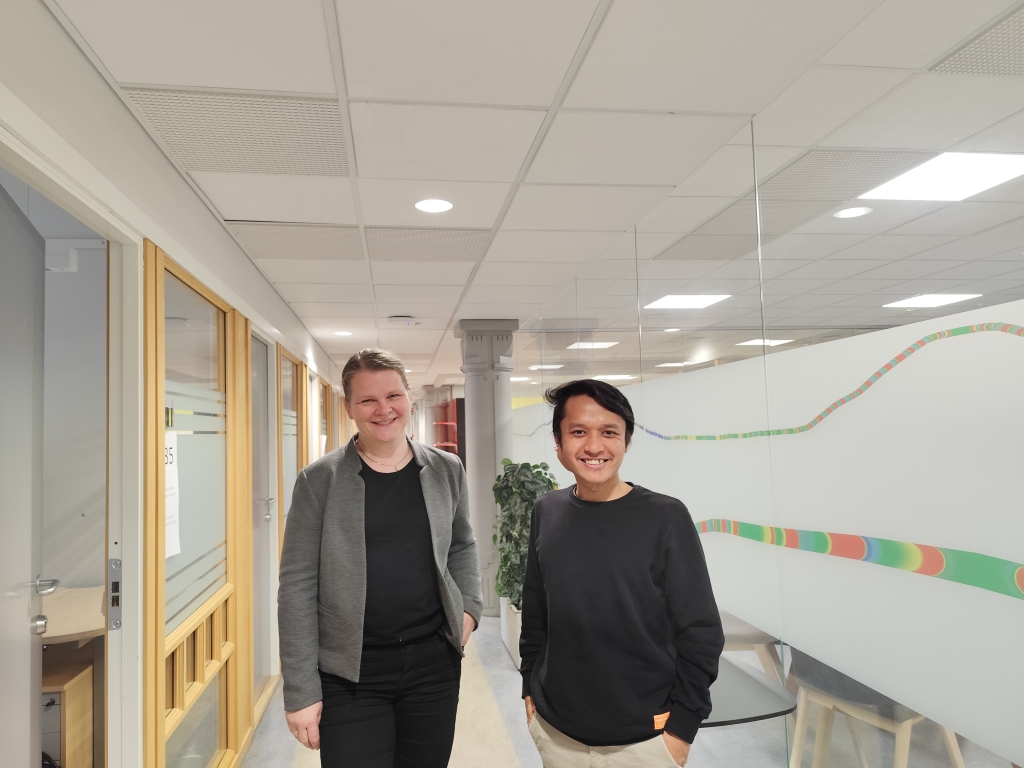
During his time at NTNU, Randi actively engaged in various academic activities that enriched his knowledge and expanded his professional network. The opportunity to discuss and exchange ideas with professors at NTNU as well as fellow Indonesians pursuing studies and careers in Norway was a very valuable experience. He also had the chance to present his research findings, attend various courses and workshops discussing the latest research methodologies in computer science. Furthermore, his participation in the Spring School as part of the EU-funded BIAS Project, coordinated by NTNU, provided a new perspective in his research.
Beyond academia, He also participated in the Startup Preschool organized by Startup Migrants in collaboration with NTNU. In this forum, he interacted with various startup founders from diverse backgrounds and presented his business ideas, broadening his understanding of the entrepreneurial ecosystem for immigrants. In this event, he also learned how to transform research findings into business ideas.
This journey extended beyond Norway. While attending a Spring School in Estonia that brought together academia, industry, and government, Randi had the opportunity to discuss with the Deputy Mayor of Tallinn—the capital of Estonia—and with representatives from several Estonian ministries. He also took the time to visit Tehnopol and meet with its Head of AI. Tehnopol is a leading science and business park in the Baltic region that serves as an incubator for many start‑ups.
Reflecting on his experience, Randi stated, “The opportunity to learn and collaborate with experts at NTNU and interact with various stakeholders in Estonia has significantly broadened my horizons. I am very impressed by the spirit of innovation and collaboration fostered here. The Scandinavian and Baltic countries have a unique approach to research and innovation management. I hope this experience can positively contribute to the research and development of specific Informatics-related fields at UNP.”
This activity is expected to open collaborative opportunities between UNP and NTNU, open avenues for research collaboration and student exchange, and inspire the academic community at UNP.
Hosting INSPECT, an International Discussion on Programming Education and Sustainability
Padang, September 1, 2024 – The research team from Universitas Negeri Padang (UNP), comprising Randi Proska Sandra, S.Pd, M.Sc (Chair), Dr. Syafrijon, M.Kom (Member), and Sari Nova, M.Sc (Member), successfully organized an online event titled “INSPECT: International Discussion on Programming Education and Sustainability.” This event was a Focus Group Discussion (FGD) as part of a research series under the Young Lecturer Research Fund scheme, funded by the RKAT of Universitas Negeri Padang.
The event, themed “Programming for the Planet: Educating the Next Generation of Sustainable Coders,” focused on application programming approaches integrated with metacognition and oriented towards a green mindset. One of the key concepts discussed was green programming practices, aimed at identifying strategic principles for producing clean code for young programmers, ensuring that the code requires minimal resources and energy, and results in sustainable software.
The FGD was officially opened by the Rector of Universitas Negeri Padang, Krismadinata, Ph.D.
“I am proud to be here with researchers and experts committed to advancing knowledge in sustainable programming. This FGD is not only relevant to current technological developments but also crucial in the context of global environmental sustainability challenges. I highly appreciate the research team led by Randi Proska Sandra for their initiative in integrating metacognition and a green mindset into programming education. I believe this research is vital for developing programmers capable of applying sustainable software development principles,” stated the Rector in his opening remarks”. stated the Rector in his opening remarks.
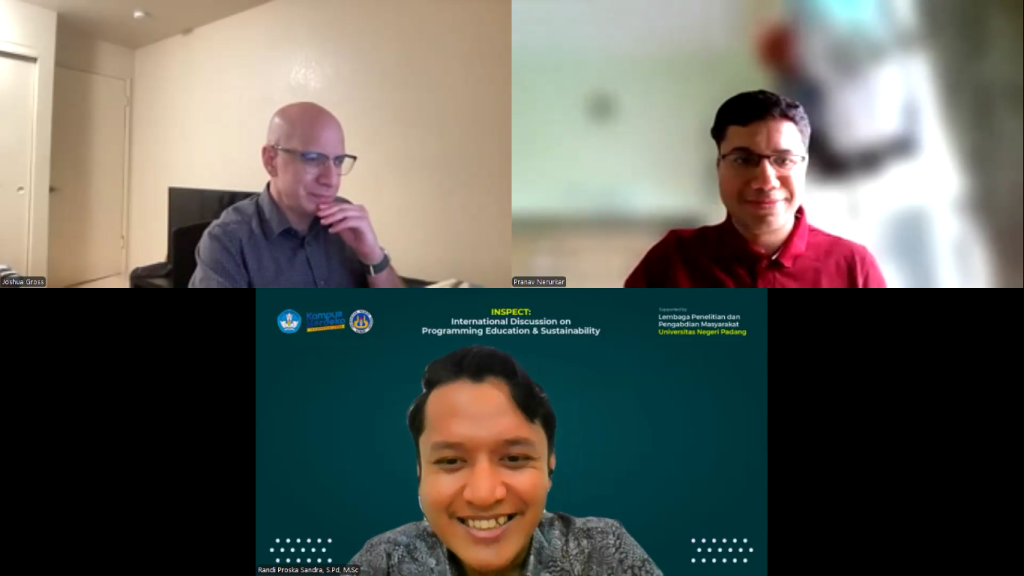
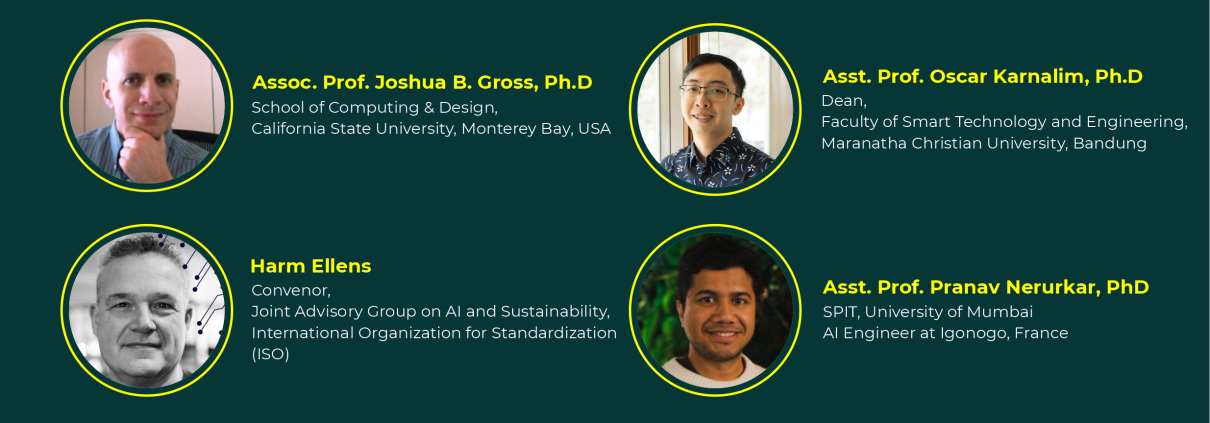
The FGD was divided into two sessions, each featuring two speakers. The first session included Assoc. Prof. Joshua B. Gross (California State University, Monterey Bay, USA) and Asst. Prof. Pranav Nerurkar, Ph.D. (Sardar Patel Institute of Technology (SPIT), University of Mumbai, India). While time complexity and space complexity are commonly discussed in the realm of algorithms and programming, Prof. Gross introduced the new issue of energy complexity, which examines how an algorithm developed by programmers can increase CO2 emissions as the number of users grows. Meanwhile, Prof. Nerurkar focused on Clean Code and the tools needed to detect whether code is clean. Clean code is predicted to use less hardware energy compared to unstructured code. Several tools for detecting clean code were also introduced.
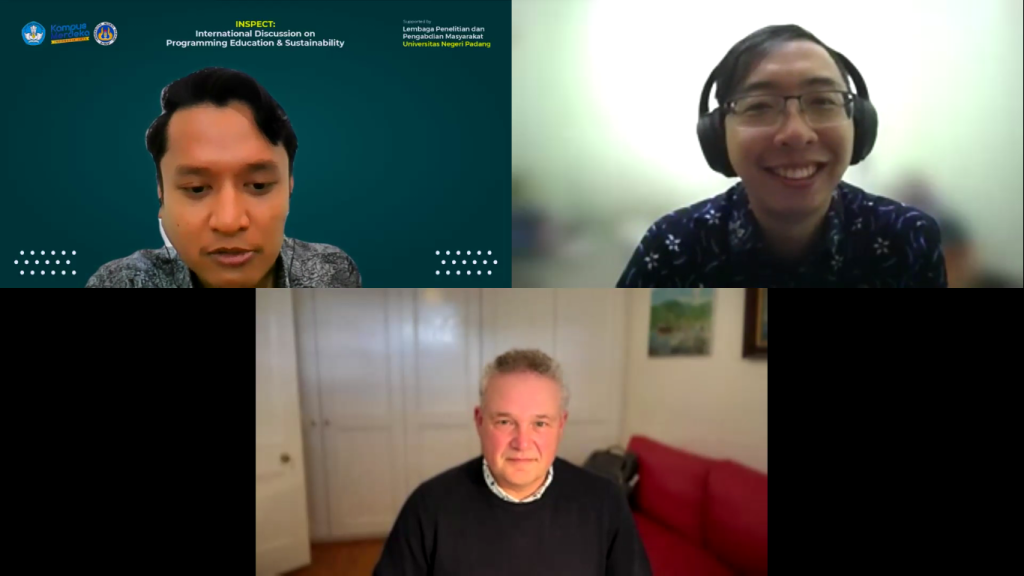
In the second session, the FGD featured Harm Ellens (Convenor, Joint Advisory Group on AI and Sustainability, International Organization for Standardization/ISO) and Asst. Prof. Oscar Karnalim, Ph.D. (Dean of the Faculty of Smart Technology and Engineering, Maranatha Christian University, Bandung). Dr. Oscar explained Code Quality, Code Readability, and Code Smells.
“Many believe that code readability is separate from code quality. However, readability is fundamentally a part of quality,” explained Dr. Oscar in his presentation.
He also discussed code smells, various issues that can occur in programming code, and provided tips for building high-quality code. Meanwhile, Harm Ellens shared his perspective as a practitioner in ISO, an organization that publishes various international standards for industries and institutions worldwide. He explained from the perspective of AI and aspects related to environmental sustainability. Harm Ellens also introduced ISO metrics related to the ecosystem and lifecycle of AI systems.
Randi Proska Sandra directly moderated this FGD.
“Our hypothesis in this research is that bad and unstructured code has the potential to produce environmental impacts, as the developed software may generate higher CO2 emissions due to energy processes in hardware and networks. Therefore, it is important to teach beginner programmers the mindset of sustainable software development,” explained Randi while moderating the event.
This research also involved informatics students as student research members, namely Gevano Randhi Pilko and Ranny Erzitha. Additionally, Afifah Zafirah, M.Pd., and Raudhatul Jannah participated as research assistants.
F
The event was also reported on the university website by this link
Securing Young Lecturer Research Grant for Innovative Programming Education Research Project
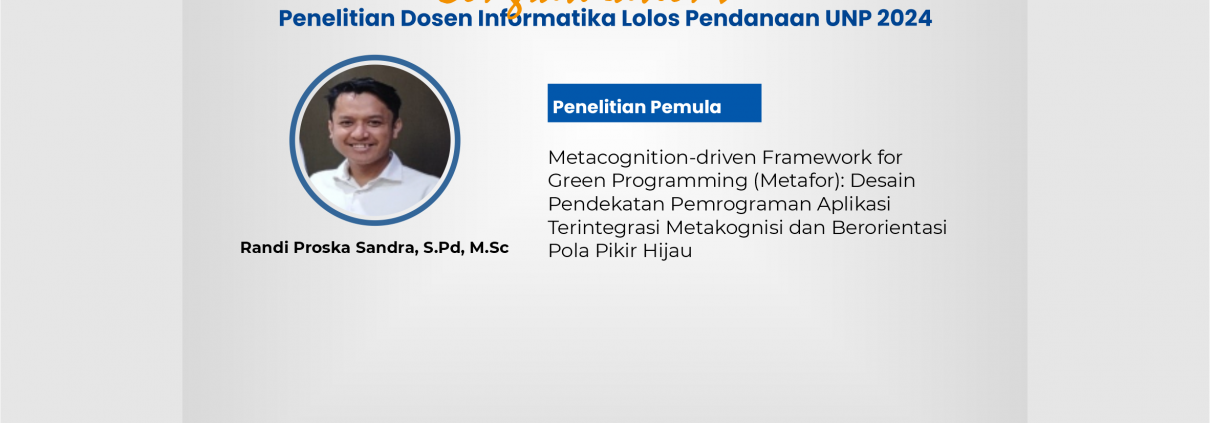
Mei 10, 2024 – Universitas Negeri Padang has awarded a prestigious research grant to a young lecturer under the “Young Lecturer Research Fund” scheme. Randi is one of the awardees for the research project titled “Metacognition-driven Framework for Green Programming (Metafor),” which aims to integrate sustainability principles into programming education at the higher education level.
Enhancing Argumentative Writing Skills: Groundbreaking Study Published in the Journal of Educational Computing Research
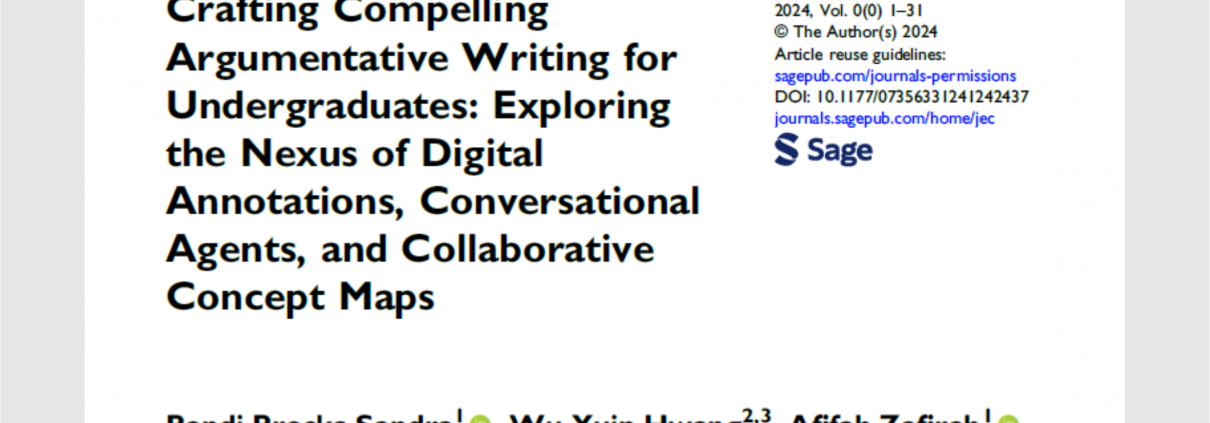
April 02, 2024 – In a groundbreaking study published in the Journal of Educational Computing Research, Randi and his colleagues have unveiled innovative methods to significantly improve the argumentative writing skills of undergraduate students. The study, titled “Crafting Compelling Argumentative Writing for Undergraduates: Exploring the Nexus of Digital Annotations, Conversational Agents, and Collaborative Concept Maps”.
Selected for Advising Lecturer or DPP for Magang dan Studi Independen Bersertifikat (MSIB) Batch 5
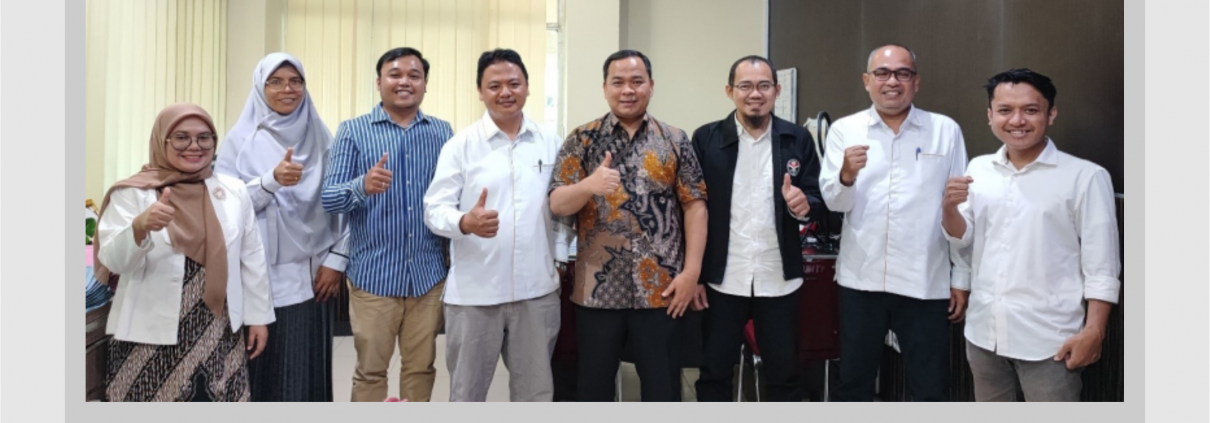
September 05, 2023 – Universitas Negeri Padang proudly announces that one of its lecturers has been selected as a “Dosen Pendamping Program” or advising lecturer for the Magang dan Studi Independen Bersertifikat (MSIB) Batch 5. This prestigious national program, organized by the Ministry of Education, Culture, Research, and Technology under the “Kampus Merdeka” Initiative, aims to enhance the practical skills and knowledge of students through internships and independent study.

Invited Speaker at International Seminar on Education in Asia
Randi, was honored as an invited speaker at the International Seminar on Education in Asia, hosted by the Indonesian Universities Consortium on Social-Religious Studies (IUCSRS). This prestigious event brings together a consortium of Islamic universities from the eastern part of Indonesia to discuss and promote advancements in education. The seminar aims to foster collaboration and share best practices among educational institutions across Asia